Project management and workflow consulting for teams that want to deliver calmly.
Premier Office Pro helps growing businesses fix the way work moves — how projects are planned, how teams communicate, how time is protected and which repetitive tasks should run themselves. Practical systems, written down, owned by your people.
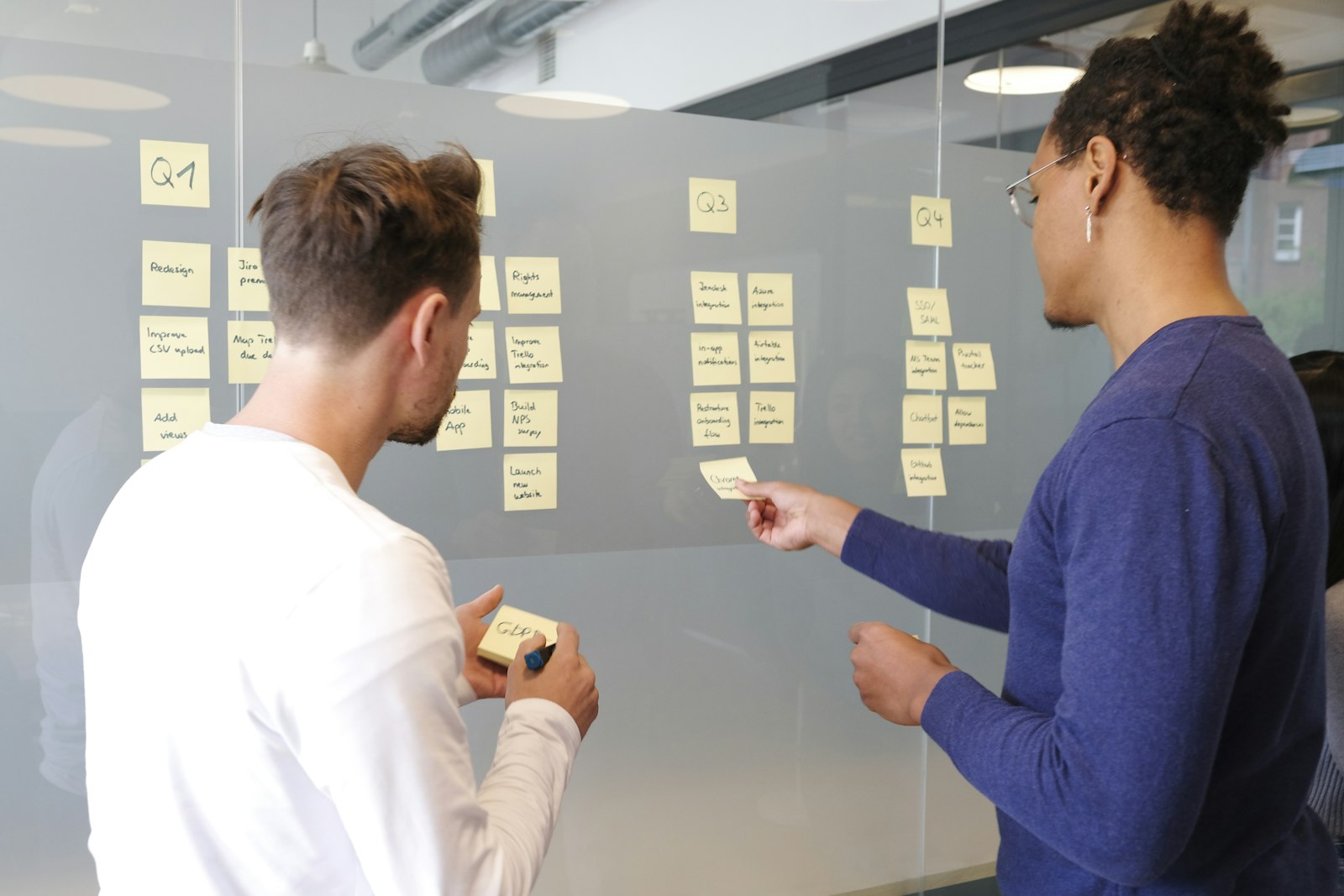
Every engagement starts with a written plan like this one — owners, milestones and a clear finish line.
Practice areas under one roof
0
Typical engagement length
0 wk
Accountable lead per client
0
Methods documented and handed over
0%
Why teams call us
Most productivity problems are really clarity problems.
Talented people rarely fail because they are lazy. They stall because priorities are unclear, decisions wait in someone’s inbox and the same work is done twice in two different tools.
We are called in when a business has outgrown the habits that got it started. The founder is still the bottleneck for approvals. Projects slip a week at a time and nobody can say exactly why. Meetings multiply, yet people still feel uninformed. Spreadsheets are copied by hand every Thursday afternoon.
None of this is solved by buying another app. It is solved by agreeing how work should flow — who decides, where information lives, how progress is measured — and then making that agreement easy to follow every single day. That is the work we do with you.
Symptoms we hear every week
Deadlines move every week and nobody knows exactly why
Status meetings that replace the work they are meant to report on
Tasks live in five tools, three inboxes and one person’s memory
Leaders approve small decisions that should never reach them
The same reports and reminders are built by hand, again and again
If two or more of these feel familiar, a short diagnostic will usually show where the biggest gains are hiding.
Our practices
Four practices. One operating rhythm.
Each practice can be engaged on its own, but they are designed to reinforce each other: better plans need better communication, which needs protected time, which is easier when routine work runs itself.
01
Project Management Methodologies
We help you choose and tailor a delivery method — Scrum, Kanban, stage-gate or a sensible hybrid — then set up the boards, roles and review rhythm so projects finish on purpose.
Clear channels, response-time norms and decision rights that reduce meetings, end reply-all storms and keep remote and in-office people equally informed.
Priority frameworks, time-blocking and focus protection for leaders and teams who are busy all day but finish the week with the important work still waiting.
Documented processes, sensible roles and automations that remove copy-paste work — from enquiry intake and approvals to invoices, reminders and weekly reports.
We measure success in ordinary working days: fewer surprises, shorter meetings, faster decisions and evenings that are not spent catching up. These are the shifts clients typically aim for when they engage us.
We do not resell software and we are not tied to any single framework. We start from your team, your constraints and the tools you already pay for — and only recommend something new when the gain is obvious.
No. We assess how your team works today and recommend the lightest structure that solves your real problem. Sometimes that is Scrum, often it is a simple Kanban board with clear rules, and occasionally it is a stage-gate plan for regulated or client-facing work.
Rarely. Most teams already own capable tools that are configured badly or used inconsistently. We fix the configuration and the habits first. If a new tool is genuinely needed, we explain the cost, the alternatives and the migration effort before you decide.
A diagnostic takes about two weeks. A typical implementation runs eight to twelve weeks. You receive a written plan with milestones before any implementation work starts, so you always know where the finish line is.
A sponsor who can make decisions, and the people who do the work day to day. We keep the time commitment predictable — usually a few short interviews in week one and a weekly working session after that.
You keep everything: playbooks, templates, automations, dashboards and recorded training. We schedule a 30-day check-in to confirm the new system is holding and fix anything that needs a tweak.
Start with a conversation
Ready for a calmer, more predictable next quarter?
Tell us what is slowing your team down. In 30 minutes you will leave with at least one practical idea — whether or not we end up working together.